A Useful Definition
Dark speculative fiction is fiction that asks a speculative question and follows it into morally dangerous territory. The question might be scientific, technological, supernatural, sociological, or psychological: what if consciousness could be archived, what if power could be chemically imposed, what if a pilot could become a ship, what if the internet became a haunted graveyard of automated speech?
The dark part matters. These stories are not simply set in the future or decorated with machines. They look for the cost. They ask what a new system does to the body, to memory, to intimacy, to political power, and to the private room inside the mind where a person still believes they are free.
Why Technology Makes the Darkness Sharper
Technology in dark speculative fiction is rarely neutral. It is architecture. It decides what can be seen, what can be remembered, who gets protected, and who becomes disposable. Artificial intelligence, neural interfaces, algorithmic policing, genetic design, and automated governance become pressure systems that force characters into choices ordinary realism cannot reach.
That is why the genre is so well suited to the present moment. Readers already live around recommendation engines, synthetic media, surveillance markets, and machine-generated language. Dark speculative fiction turns that familiar unease into story shape.
The IV Dmitriev Angle
IV Dmitriev's fiction sits at the intersection of insider technology, psychological threat, and genre intensity. The books do not treat AI or automation as background furniture. They treat them as forces that can reorganize desire, memory, social control, and the borders of the self.
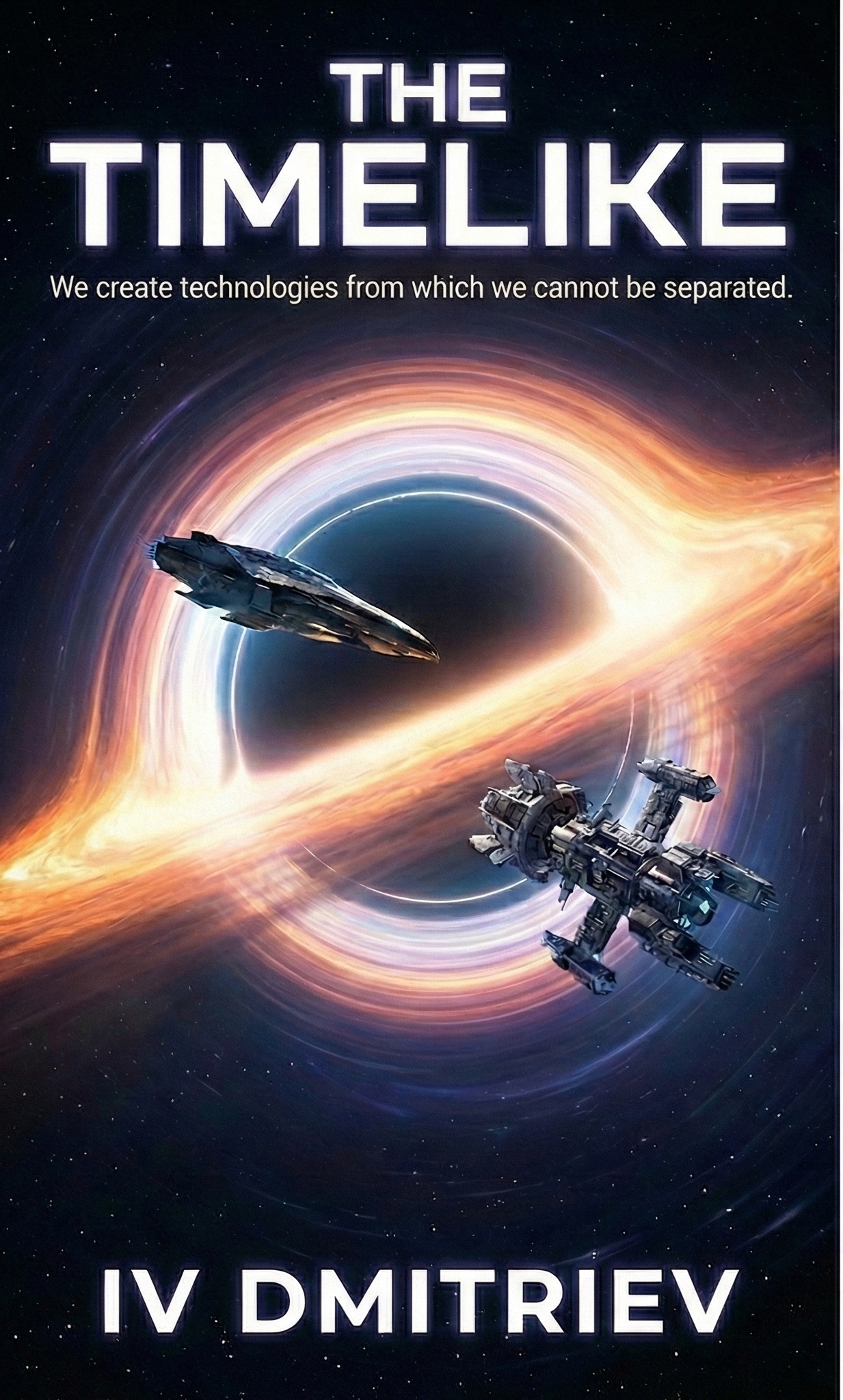
In The Timelike, the speculative engine is hard science: black holes, time dilation, and neural ship integration. In Where Lighthouses Are Lit, it is forbidden AI, digitized consciousness, corporate enclosure, and synthetic attachment. In The Seal, it is alchemy, secret power, urban noir, and the seductive terror of control.
What Readers Search For
Readers often arrive through neighboring phrases: dark science fiction, psychological science fiction, cyberpunk romance, AI dystopia, hard sci-fi horror, villainess thriller, dark urban fantasy, and speculative fiction about artificial intelligence. These are not separate boxes so much as entry points into the same reader hunger.
The core promise is intensity with ideas inside it. A dark speculative novel should deliver tension, atmosphere, and emotional stakes, but it should also leave behind a question that keeps moving after the final page: if the system can imitate everything human, what evidence of humanity remains?
FAQ
Is dark speculative fiction the same as horror?
Not exactly. Horror is one possible mode. Dark speculative fiction can also be cyberpunk, hard science fiction, fantasy, noir, thriller, or romance, as long as the speculative premise creates genuine moral or psychological threat.
Where should new readers start with IV Dmitriev?
Readers drawn to cosmic science and psychological isolation can start with The Timelike. Readers drawn to forbidden AI and cyberpunk romance can start with Where Lighthouses Are Lit. Readers drawn to secret orders and villainess transformation can start with The Seal.
Read IV Dmitriev
Explore The Seal, Where Lighthouses Are Lit, and The Timelike through the official Amazon author profile, or contact the author for rights, book clubs, publishing, interviews, and screen adaptation conversations.